News from the DaSSCo mass digitisation programme - October to December 2025
January 13 2026 | News

October 2 2025

News
No news on the team status. Keep up the good work everyone!
Let’s start off with an overview of the specimens digitised in Q3. At the Natural History Museum of Denmark (NHMD), the Entomology team digitised 8,935 specimens, while the Herbarium completed 23,737 imaged specimens. At Aarhus University, the Entomology unit added 909 specimens, and Aarhus Herbarium contributed with 8,558. Overall, in Q3 DaSSCo’s digitised more than 68,000 new specimens across our institutions – well done DaSSCo!
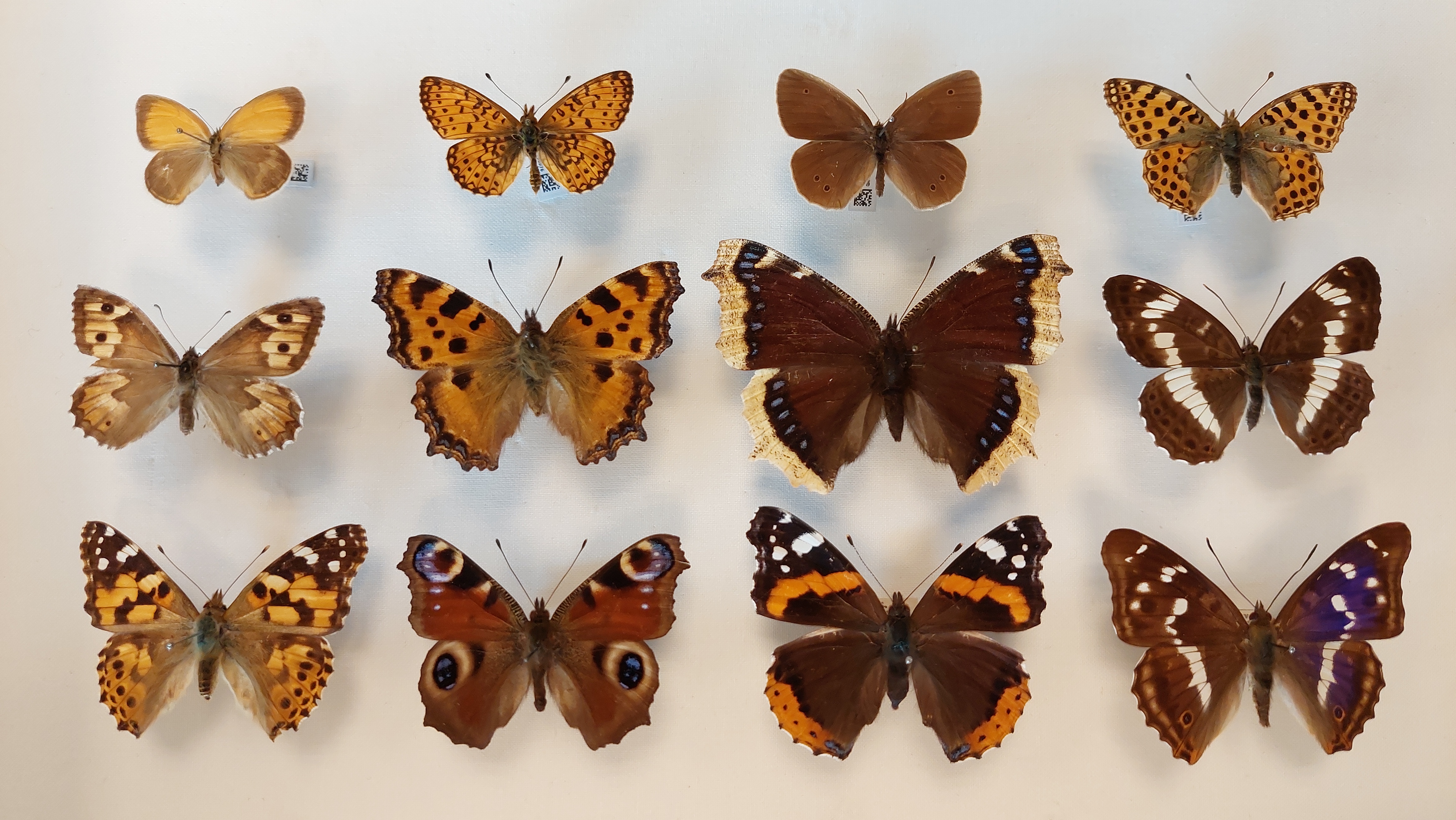
DaSSCo has completed the digitisation of the Danish Nymphalidae (Takvingefamilien) collection at the Natural History Museum of Denmark. This butterfly family includes familiar species such as Aglais urticae (Small Tortoiseshell/Nældens takvinge) and Aglais io (European Peacock/ Dagpåfugleøje). This part of the collection comprises 177 wooden boxes with 18,575 specimens from 47 species, digitised over seven months.
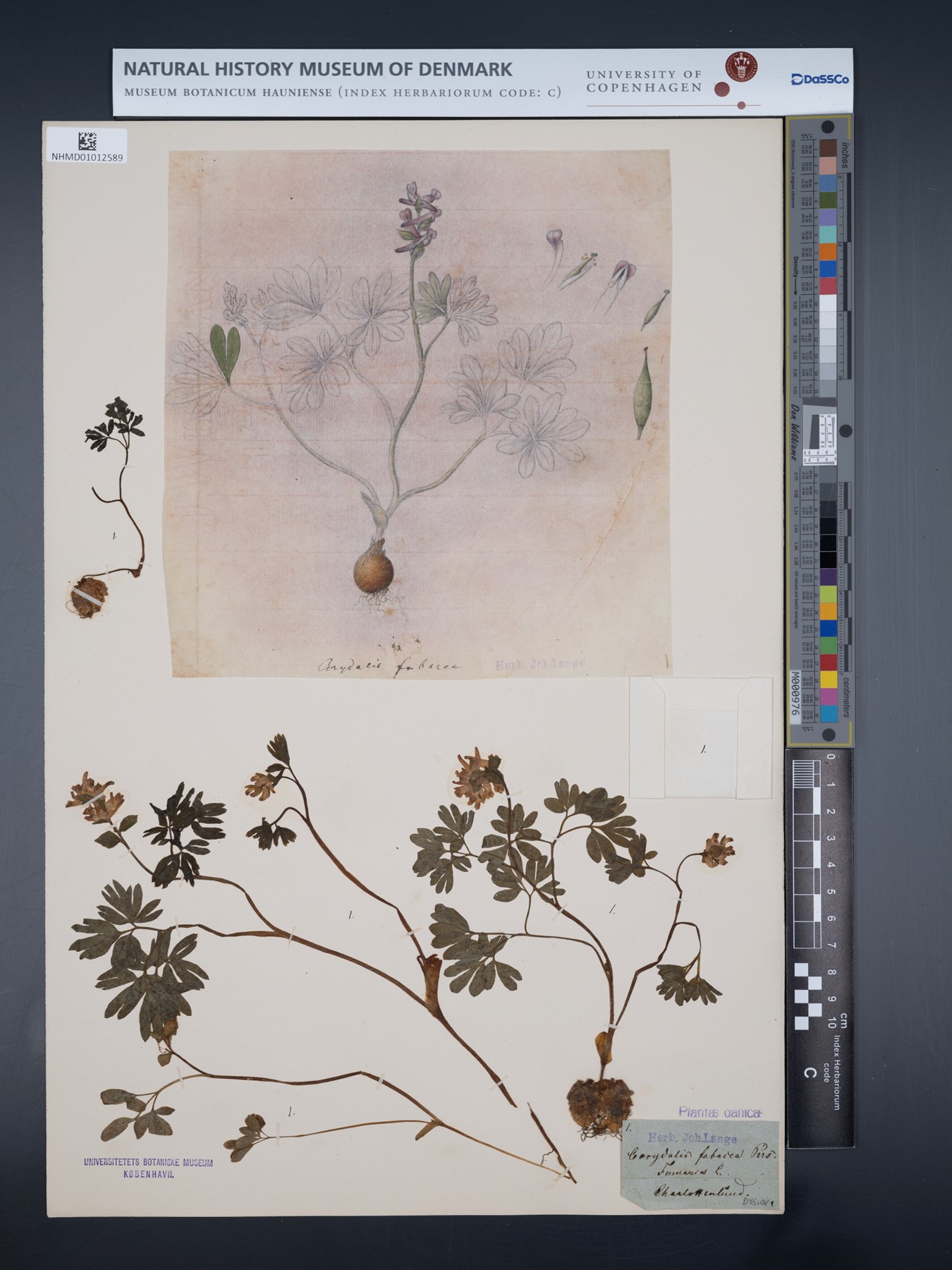
During a normal session in the digitisation of the Danish Herbarium, a remarkable discovery was made - an original Flora Danica sketch from the early 1800s. The drawing was still attached to the herbarium sheet with the same plant, known as a voucher. With this find, the museum now holds a complete Flora Danica set, including the copper plate, print, and porcelain plate featuring the same motif. This unique set will be exhibited in NHMD’s upcoming exhibitions.
At Aarhus University’s Herbarium (AAU), digitisation of the Fabaceae (legume) family is close to completion. Fabaceae is one of the largest plant families in the herbarium, with specimens from across the world. It was chosen as the first family to digitise due to its range of label types, from historical handwritten notes to modern entries, which helped refine protocols for processing.
In Q3 2025, approximately 11,000 specimens were digitised. The work also supports ongoing scientific research, such as the Flora of Thailand project, by making these data immediately available to researchers. The next family to be digitised will be Zingiberaceae (the ginger family), for which the herbarium holds a significant international collection.
On July 18, the Specify team hosted colleagues from the Swedish Museum of Natural History for discussions about digitisation efforts and plans for a European Specify Conference in Stockholm in 2026. DaSSCo presented updates on the ARS, which drew considerable interest.
On August 1, a silent migration to a new database server was completed to prepare for the Specify7 upgrade. Specify6 was retired at that point due to the updated database connection. On September 16, one-way replication was enabled for the Specify server. This improvement allows validation of mass imports to occur on a replica server without affecting live operations. Imports are performed on the main server, replicated, validated on the replica, and then merged back after approval. This will remove a performance bottleneck we have been experiencing at the NHMD Specify installation leading to a better experience with the users.
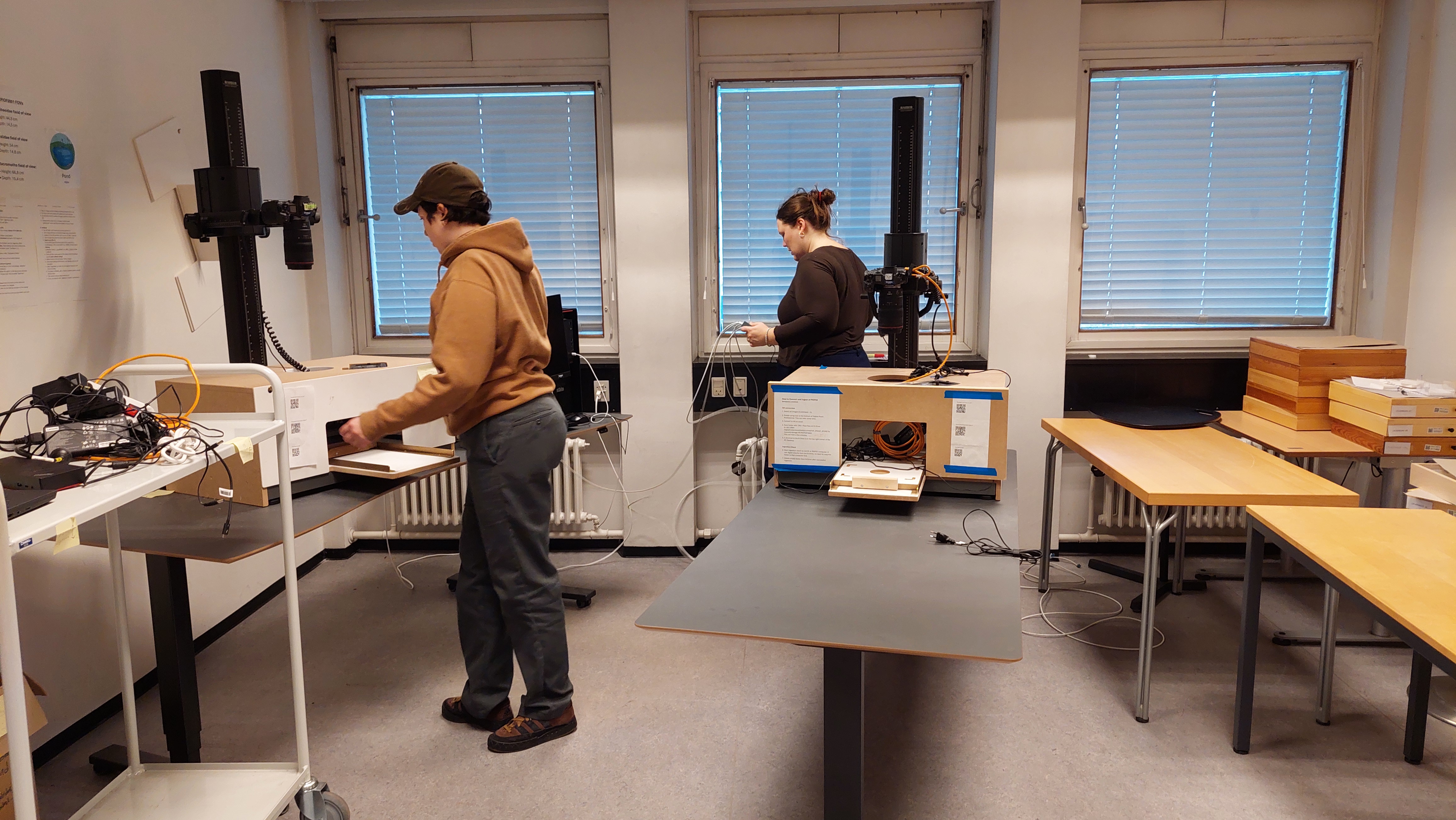
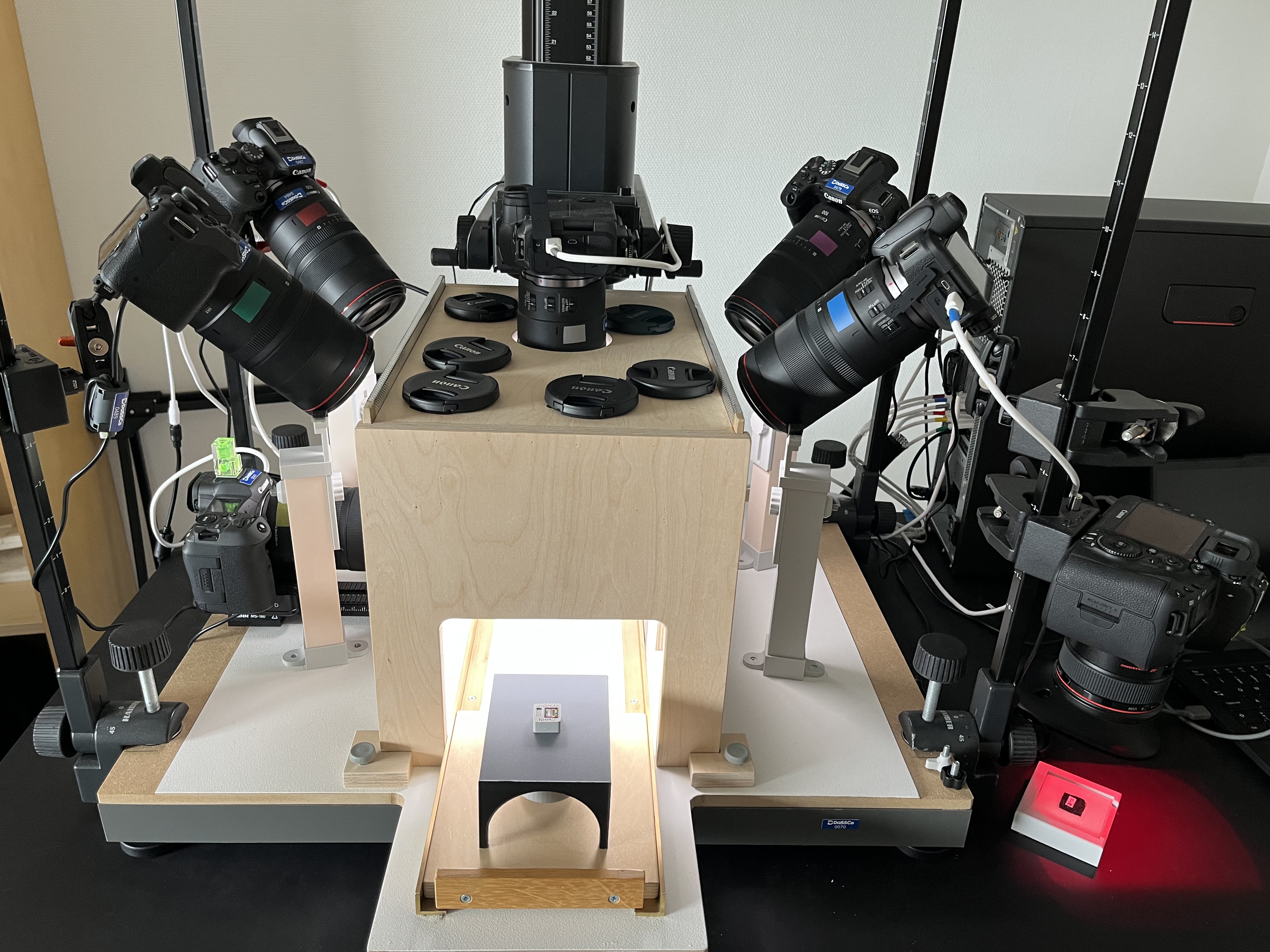
In late August, the Development Team began outlining detailed workflows for pinned insect digitisation using the multi-camera ALICE workstation. The workflows describe registration, imaging, and label attribution processes for both solo and duo operation. In September, the Technical Team began testing these workflows and providing feedback to improve efficiency and ergonomics. The next step is finalising documentation and training colleagues in Entomology.
At DTU, DaSSCo’s MSc student started his thesis work with DaSSCo to develop a more generalised version of the ingestion client that can support additional workflows. He is also enhancing the ALICE pipeline to automatically detect and link labels within images. On development news concerning the storage system (ARS), in the latest version images can now be attached in Specify from ARS, successfully tested on the Specify test servers.
The DaSSCo team at NHMD is relocating offices from the former Zoological Museum building to the Botanical Garden by November 1, 2025, while retaining workstations at the Zoological Museum building. DaSSCo Communication team has been developing a new website hosted on GBIF servers, replacing the old Wordpress. This integration allows displaying digitised specimens alongside DaSSCo project information on the same website.
On September 26, the NHMD Digital Collections team held a strategic workshop. Discussions focused on future staffing for DaSSCo, and the outcomes will inform planning for 2025–2026 and beyond.
January 13 2026 | News
October 2 2025 | News
September 3 2025 | News
We use cookies on our website. Some are technically necessary, others help us improve your user experience. You can decline non-essential cookies by selecting “Reject”. Please see our Privacy Policy for further information about our privacy practices and use of cookies.